
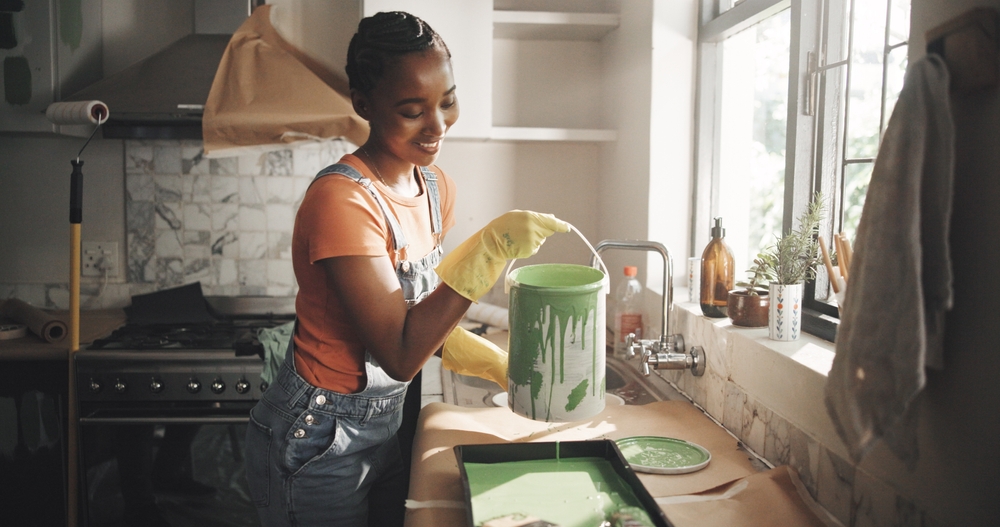
Improving a rental property does not have to mean taking on a major renovation. Some of the most worthwhile updates are much more targeted, addressing the parts of a home that renters use every day, improving how existing space functions, or choosing materials that will hold up better over time.
For rental property owners, the key is knowing where an improvement can make a meaningful difference. The right project can strengthen the home’s appeal, improve the resident experience, reduce how often certain features need to be replaced, or help the property compete more effectively in the San Antonio rental market. Here are several areas worth considering when deciding where to invest.
Upgrade Kitchens and Bathrooms Without Automatically Remodeling Them
Kitchens and bathrooms can have a major influence on how renters perceive a home, but improving them does not always require replacing cabinets, changing the layout, or starting from scratch.
If the room is functional but beginning to look dated, targeted updates can make a noticeable difference. Depending on the property’s condition, that could include:
- Replacing dated faucets, cabinet hardware, or light fixtures
- Updating a worn vanity or countertop
- Improving lighting in areas that feel dark
- Replacing an appliance when it is already nearing the end of its useful life
- Refreshing finishes that make an otherwise functional room feel dated
The distinction between dated and dysfunctional is important. If the layout works and the major components are in good condition, replacing everything may add considerably more cost without creating the same increase in rental value. Targeting the features that have the greatest effect on how the room looks and functions can make the investment more focused.
Choose Flooring for More Than Its Upfront Price
Flooring has to handle daily foot traffic, furniture, spills, pets, and repeated occupancy. When replacement is necessary, the least expensive material at installation may not be the least expensive choice over the years that follow.
Owners should compare flooring based on durability, moisture resistance, cleaning requirements, installation cost, and how frequently it is likely to need replacement.
| Flooring | Potential Advantage for a Rental | Consider Before Choosing |
| Luxury vinyl plank | Water-resistant, durable, and relatively easy to maintain | Product quality and wear-layer durability vary |
| Tile | Highly durable and well suited to moisture-prone areas | Installation can be more expensive |
| Laminate | Can offer an updated appearance at a lower upfront cost | Moisture resistance varies by product |
| Carpet | Lower initial cost and comfortable in bedrooms | May require more frequent cleaning or replacement |
The right material can also vary from room to room. A moisture-resistant surface may make sense in kitchens and bathrooms, while other areas of the home may have different priorities. Thinking about how the floor will actually be used can lead to a better choice than selecting one material for the entire property based on price alone.
Make Existing Outdoor Space More Functional
For a single-family rental, a yard, patio, or private outdoor area is space the property already has. Improving its usability can add value without changing the home’s footprint.
That does not necessarily mean investing in elaborate landscaping. Practical improvements can include repairing fencing, improving exterior lighting, creating a defined patio or seating area, or replacing difficult-to-maintain landscaping with options better suited to the property.
The goal is to make the outdoor area feel usable and manageable. A large yard that is difficult to maintain or lacks privacy may offer less practical value than a simpler outdoor space that residents can easily enjoy and care for.
Improve Comfort Where San Antonio Renters Will Feel It
Some property improvements have their greatest impact once someone is actually living in the home. In San Antonio, where high temperatures can continue for much of the year, improvements that support indoor comfort deserve consideration alongside cosmetic updates.
Depending on the property, owners may want to evaluate:
- Ceiling fans in bedrooms and frequently used living areas
- Weather sealing around doors and windows
- Smart or programmable thermostats
- Insulation when existing levels are inadequate
- Window coverings or other features that help manage direct sunlight
These updates should be evaluated based on what the home actually needs rather than added simply because they are marketed as energy-saving features. For example, replacing worn weather stripping is a very different investment from replacing otherwise functional windows solely for efficiency.
Comfort improvements may not always translate into a specific increase in monthly rent, but they can improve the day-to-day experience of the home and address weaknesses that become particularly noticeable during periods of heavy heat.
Create Useful Space Without Adding Square Footage
Adding square footage is expensive, but many homes already contain space that could work harder with relatively modest changes.
An underused closet can become better storage with shelving. A garage can gain functional storage without sacrificing parking. A laundry area may benefit from shelving or cabinetry. Even an awkward nook can become useful with the right storage or workspace solution.
Before considering a larger construction project, look at whether the home’s existing square footage is being used well. Improving storage and functionality can make the property feel more practical without the cost and complexity of changing its footprint.
Know When the Property Needs a Refresh, Not a Renovation
A home can start to feel worn without actually needing major work. Before committing to a larger renovation, identify what is making the property feel dated or less polished.
Sometimes the answer is relatively straightforward:
- Worn or heavily marked interior paint
- Dated light fixtures or hardware
- Damaged trim and visibly worn finishes
- Overgrown or tired landscaping
- Exterior details that need cleaning or repair
Addressing those items together can change the overall presentation of the property without replacing features that still have years of useful life left.
This is also where local market knowledge matters. If a home is already comparable in condition and features to similar San Antonio rentals, a major renovation may not be necessary to keep it competitive. If it is noticeably behind comparable properties, targeted improvements can help close that gap without over-improving the home.
Make the Right Improvements for Your Rental Property
Improving rental property ROI is not about upgrading everything at once. It is about identifying where a change can make the property more functional, comfortable, durable, or competitive and choosing improvements that make sense for that particular home.
Rental Property Professionals works with San Antonio property owners to understand how their homes fit into the local rental market and what residents are looking for. With hands-on property management, marketing, leasing, and local insight, RPP helps owners care for their properties while keeping their long-term investment goals in view.