
A rental listing can tell you much more than whether a home looks appealing. The right details can help you decide whether the property fits your timing, budget, space needs, and everyday routine before you schedule a showing.
Knowing what to focus on also makes it easier to compare homes more thoughtfully, especially when several listings start to look similar.
Start With the Details That Can Rule a Home In or Out
Before scrolling through every photo, check the basic information first. Availability date, monthly rent, bedroom and bathroom count, square footage, and pet information can quickly tell you whether a property fits your search.
Look at those details together rather than separately. A three-bedroom home with an extra half bath may work very differently for your household than another three-bedroom at a similar price. Square footage can also help explain why two homes with the same bedroom count may offer very different amounts of living space.
Checking these details first keeps you from spending time on a property that does not match your biggest priorities.
Read the Description for Function, Not Just Features
Listing descriptions often include a mix of practical information and features meant to catch your attention. Focus on the details that would affect how you actually use the home.
Look for things such as:
- Layout: Open living areas, split bedrooms, upstairs living space, or a separate dining room can change how the home functions.
- Storage: Walk-in closets, pantry space, garage storage, and cabinetry can matter as much as overall square footage.
- Parking: Check whether the home includes a garage, driveway, assigned parking, or other arrangements.
- Outdoor space: A fenced yard, covered patio, balcony, or community amenities may add value if you know you will use them.
- Included features: Appliances, ceiling fans, laundry connections, or other listed items can affect what you need after move-in.
The most useful features are the ones that solve a need you already have.
Use the Photos to Understand the Layout
Once the basic details check out, use the photos to get a better sense of how the home is arranged.
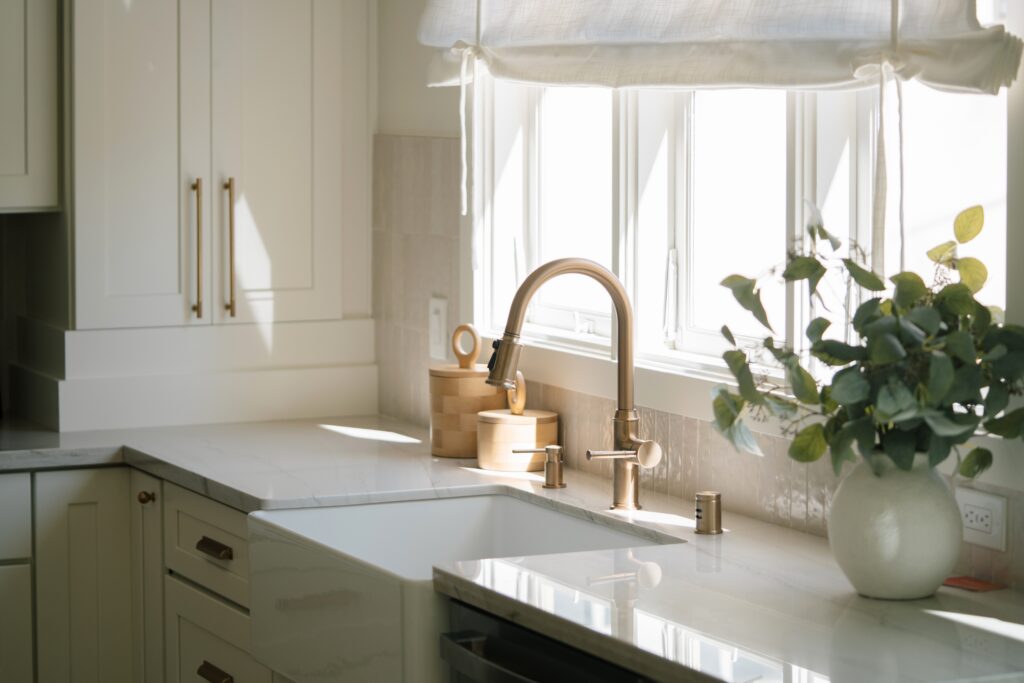
Pay attention to how rooms connect, where doors and windows are positioned, and whether the layout gives you realistic places for your furniture. Kitchen photos can reveal counter space, cabinet placement, and how much room there is to move between work areas.
Look at the sequence of the photos, too. It can help you piece together the floor plan when the listing does not include one.
If an area that matters to you is missing entirely, make a note of it. A missing photo does not automatically signal a problem, but it gives you something specific to ask about before or during the showing.
Check the Costs Beyond Monthly Rent
Monthly rent is the easiest number to compare, but it does not always give you the full picture of what you will pay before moving in.
Check the listing for application fees, security deposits, pet-related costs, and any other required charges. Before applying, make sure you also understand the property’s application requirements and tenant-selection criteria, along with which utilities or recurring expenses will be your responsibility.
Looking at these costs together gives you a more realistic way to compare homes, especially when the advertised rents are similar.
Turn Listing Details Into Better Showing Questions
Once a property makes your shortlist, use the listing to decide what you want to pay closer attention to in person.
If the home highlights a large backyard, extra living space, community amenities, or a specific layout feature, make a note to see how that feature actually works for you during the tour. You can also jot down any practical questions about parking, appliances, pets, or move-in timing so you leave the showing with the information you need.
That turns the listing into a useful starting point for the tour instead of something you simply review beforehand.
Decide What Deserves a Tour
A good listing should help you decide which homes deserve a closer look before you start scheduling tours. By comparing the details that matter most to you upfront, you can spend less time on properties that are not the right fit and more time evaluating the ones that are.
Start with your non-negotiables, such as price range, availability, bedroom count, pet policies, parking, or outdoor space. Then use features like layout, storage, amenities, and location to separate the strongest options.
When a property checks the right boxes, take the next step and see which RPP homes are currently available.